A strategic convening to unlock the potential of faith properties in your city
Across Canada, faith-owned properties are at a crossroads: aging buildings, shrinking congregations, rising community need – and growing pressure to repurpose valuable sites. Faith Property Roundtables bring the right people into the same room to ask a better question: What if these sites became engines of affordable housing, neighbourhood revitalisation, and community impact?
What is a Faith Property Roundtable?
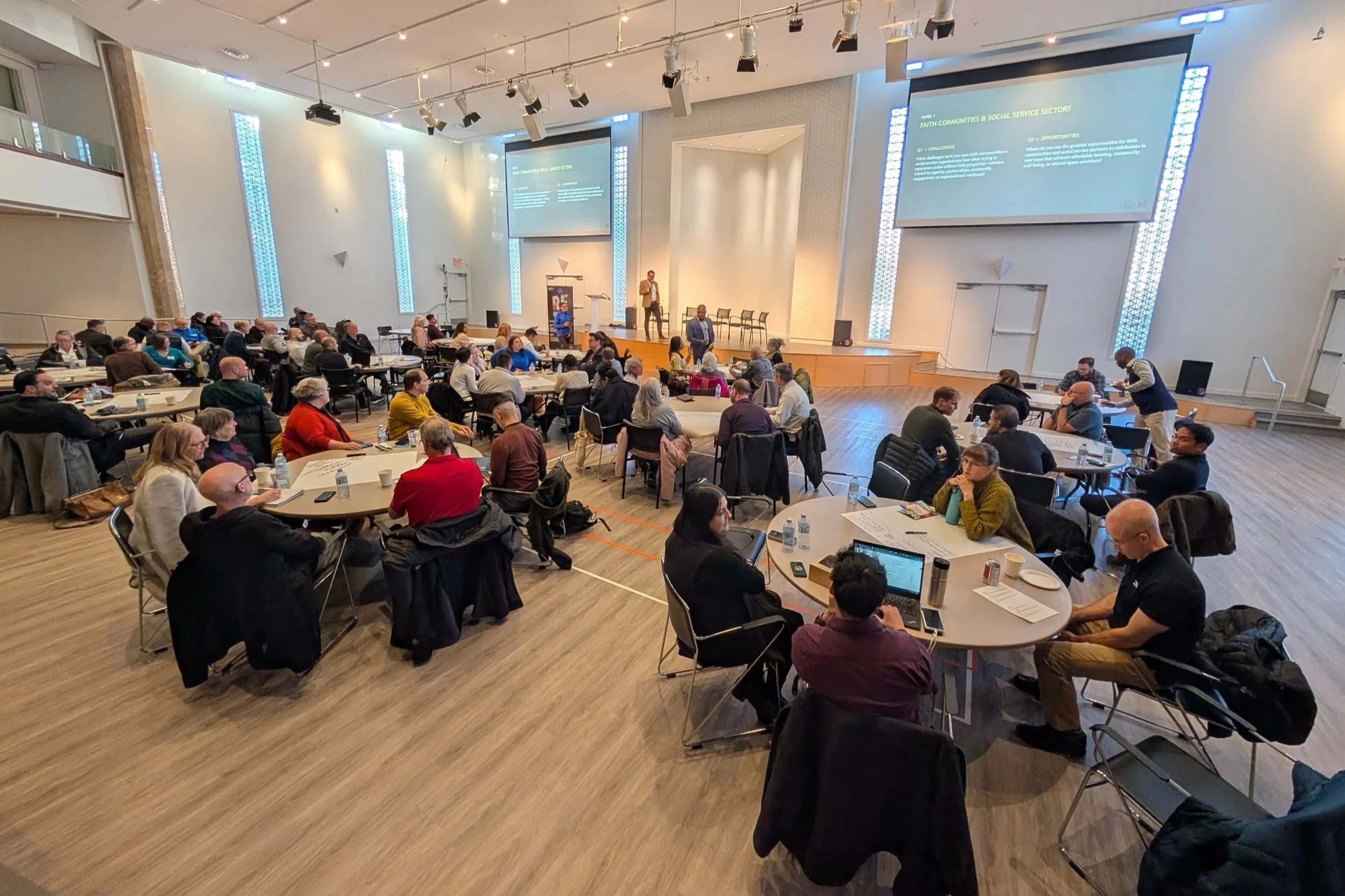
A Faith Property Roundtable is a curated, cross-sector conversation that brings together the partners who must work together to shape the future of faith-owned properties in your city.
In a high-trust, facilitated setting, civic leaders, congregations, non-profits, developers, planners, funders, and Indigenous or community partners come together to:
Understand the current landscape of faith properties
Identify shared priorities and pressure points
Explore concrete, actionable opportunities for specific sites
The aim is simple: coordination, clarity, and an actionable path forward for properties at risk, properties with potential, and properties ready for transformation.
Who is it for?
Faith Property Roundtables are designed for leaders who want to move from ad-hoc decisions to a coordinated strategy:
Municipalities seeking a city-wide approach to faith-owned land
Denominations navigating closures, mergers, or renewal decisions
Community and Indigenous partners exploring land-based, cultural, or reconciliation-focused uses
Housing providers, non-profits, and developers looking for mission-aligned sites
Foundations and civic funders supporting systems-level change
Congregations and faith communities looking for trusted guidance and cross-sector support
why it matters
When cities act collaboratively, faith properties can shift from a liability to a shared asset. With the right partners at the table, these sites can become:
Engines of affordable or mixed-income housing
Anchors for neighbourhood revitalisation
Creative and cultural hubs
Social-purpose real estate that serves the common good
Spaces for reconciliation and community partnership
Our goal: to help every city unlock the full potential of its faith properties – sustainably, collaboratively, and with community impact at the centre.
What happens at a Roundtable?
Each Roundtable is tailored to your local context, but typically includes four core elements:
1. Municipal landscape analysis
Before the gathering, we map the local landscape: trends in faith properties, demographic pressures, spatial opportunities, regulatory context, and pressing community needs (housing, social services, cultural uses, neighbourhood revitalisation).
2. Strategic convening & facilitation
We design and facilitate a structured conversation that surfaces barriers, aligns partners, and builds the relationships required for long-term collaboration. Participants leave with a shared understanding of the challenge – and where they fit in the solution.
3. Cross-sector engagement
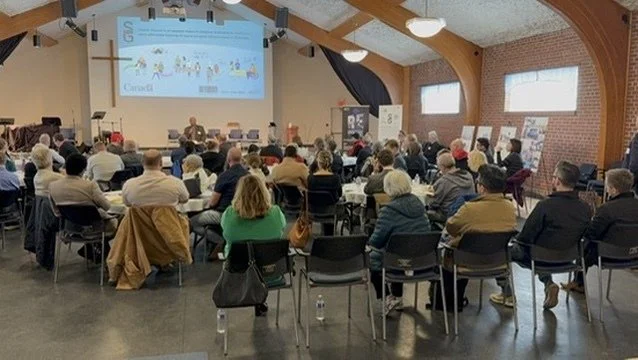
We bring together voices that rarely sit at the same table: municipal leaders, denominational leadership, non-profits, developers, funders, planners, and Indigenous organisations. This cross-sector mix is what creates decision-making momentum and unlocks new possibilities.
4. Opportunity mapping & next-step roadmap
Together with local partners, we identify specific buildings, sites, or clusters of properties that have potential for:
Affordable or mixed-income housing
Community or cultural hubs
Creative-economy or social-enterprise uses
Heritage-sensitive adaptive reuse
Multi-site or portfolio approaches
From there, we co-create a practical next-step roadmap: clear pathways for feasibility work, partnership development, funding conversations, or focused working groups.
view our past roundtables →
Outcomes you can expect
By the end of a Faith Property Roundtable, your city will have:
A shared map of faith properties, pressures, and opportunities
Aligned priorities across sectors that rarely have the chance to plan together
A shortlist of high-potential sites and project ideas
A concrete next-step plan for follow-up work, governance, and funding
Stronger relationships and trust between civic, faith, community, and development partners

host a roundtable
in your city
Get in touch now to move from uncertainty to action