The Winnipeg Declaration
on the Deployment of Canada’s national Religious Land to End Homelessness and Strengthen Communities
To be presented in Winnipeg, Manitoba, November 2026
We, the members, leaders, and friends of Canada's faith communities — Christian, Muslim, Jewish, Hindu, Sikh, Bahá'í, Buddhist, and other vital faith traditions including those held by Indigenous and First Nations peoples of this land — bear witness to a profound trust: more than 30,000 acres, over a billion square feet of land — twice the size of the city of Vancouver — land held at the heart of cities, towns, and villages across this country.
Tens of thousands of Canadians sleep without shelter, safety or dignity. Beyond homelessness, our neighbourhoods hunger for the kind of resilience that turns strangers into neighbours, and neighbours into friends. These are not just crises to be managed — they are the work of building the Canada we dream of.
Faith communities have been part of that work, as recognized by our tax system. The land they hold is not only an asset to be optimized. It is a foundation for the future of Canada.
Therefore, we call on faith leaders and institutions to commit to:
Dedicate an ambitious and measurable percentage of faith-owned land toward ending homelessness and building community resilience — through affordable housing, supportive services, gathering spaces, and community infrastructure.
Align financial portfolios with investment vehicles that enable these solutions.
Pursue this work with deep commitment to justice, dignity, and reconciliation with Indigenous peoples.
Gather annually — with government, cities, community and Indigenous partners — to track and accelerate progress.
We also call on municipal, provincial, and federal governments to adapt, with us, the zoning and regulatory frameworks that currently prevent faith properties from becoming community assets. And we call on philanthropic foundations to partner, not exclude, around this sensitive theme.
We make this declaration in Winnipeg, in the spirit of truth and renewal. In the conviction that faith, joined with justice, helps build a Canada where everyone belongs.
"Do justice, love kindness, walk humbly." — Micah 6:8.
This passage is recognized by the Christian, Jewish, and Muslim faiths, and is in harmony with the sacred teachings of many others.
This declaration is open to persons of all backgrounds. Please indicate your connection and role (if any) to this work in the notes section of the declaration.
This list of signatories will be presented to national leaders gathering in Winnipeg in November 2026.
FAQ
-
Yes. Signing is now available via the link above on Change.org.
-
A commitment to direct a portion of faith-owned land and buildings toward the public good, with ending homelessness as a core imperative. This may include the construction or stabilization of affordable and supportive rental housing, as well as enhancing the supports to the journey out of homelessness including works in food security, employment, language training and more.
-
Faith leaders, municipalities, housing and nonprofit partners, First Nations and Indigenous Communities, funders, planners, developers, and community organizations and the general public working to unlock projects faster and more equitably.
National Attention & Momentum
CTV WINNIPEG
Faith lands could be key to housing crunch, says charity behind national declaration
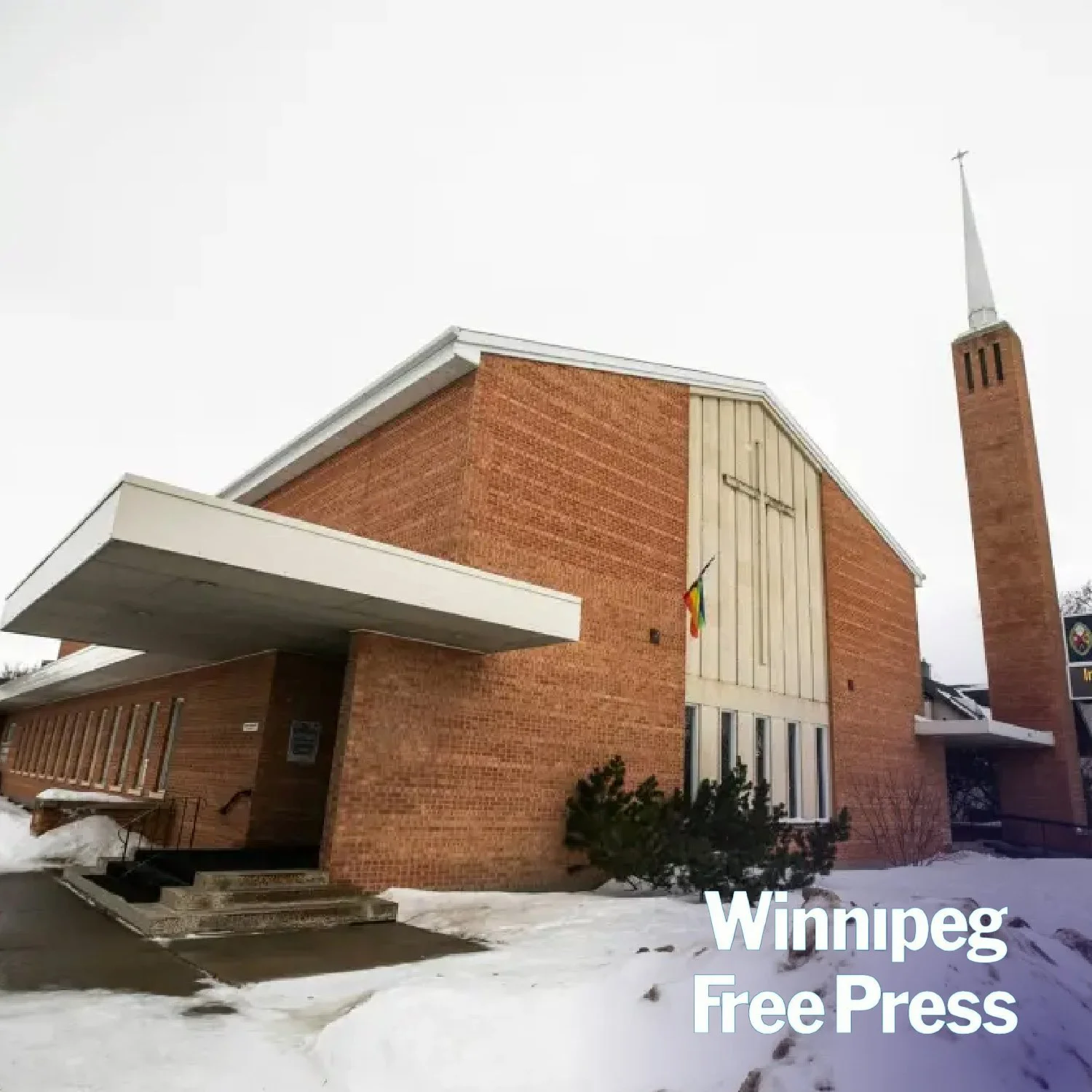
Winnipeg Free Press
Churches find new calling
Charity works to transform land into affordable housing
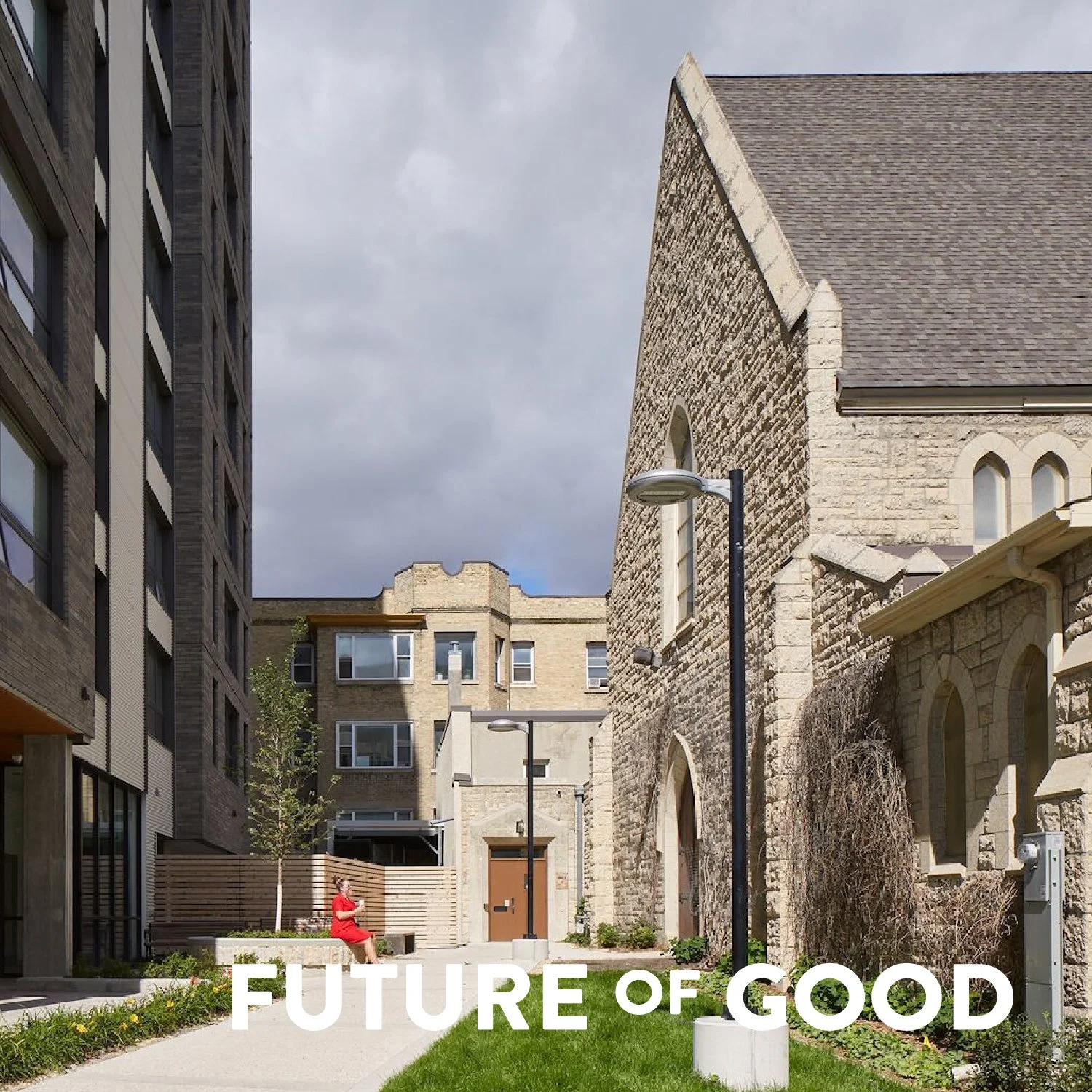
Future of Good
‘Winnipeg Declaration’ calls on faith leaders to transform empty church land into affordable housing